Food
Gluten Free Bread That Doesn’t Taste Like Cardboard: A Beginner’s Guide
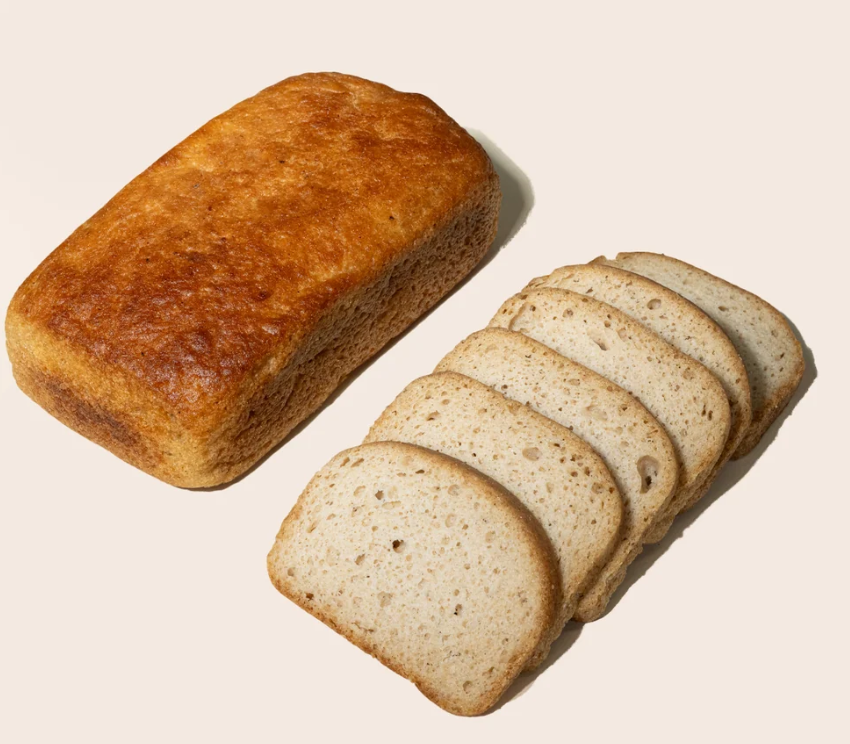 Ask anyone who has just switched to a gluten-free diet what they miss the most and you will find out that the answer will always be bread. Whether it’s a nice piece of toast, a yummy sandwich, a garlic bread after dinner, a lot of people eat a lot of bread on a daily basis. Fortunately, gluten free bread has improved a lot over time and, if you know what to expect, you can make yourself some delicious pieces.
Why Gluten Free Bread Is Special
Gluten is a protein found in wheat, rye, and barley. In conventional bread, it creates an elastic structure that makes the bread soft and chewy. Once you remove the protein, you need to recreate that structure with other means.
Bread makers use flours made of rice, sorghum, millet, buckwheat, and tapioca. To compensate for the lack of gluten, they add other components that have similar qualities such as psyllium husk, flaxseed, or xanthan gum. The balance is very delicate, and that’s why there is a lot of variation in gluten-free bread.
Choosing the Right Loaf
In view of the numerous choices, below are some things to consider before purchasing the right one:
The texture and softness of the loaf are the first points of concern. Ideally, the bread should be soft and springy and not very crumbly. The ingredient listing is also an important consideration. It is advisable to check out the use of whole-grain and seed flours while avoiding foods rich in preservatives and additives. In case you have coeliac disease, you will need to make sure that the bread is produced under gluten-free conditions as even trace amounts of gluten may trigger symptoms.
Storage Tricks That Actually Work
Gluten free bread dries out much quicker than normal bread since there is no structure to retain moisture in gluten-free bread. Simple tips to store your gluten-free bread:
Store your gluten-free bread in an airtight bag or container. Sliced and freeze your bread as soon as you purchase it. You can even toast your bread while it’s still frozen to regain its freshness with a crispy exterior and soft interior. Don’t store your bread in the refrigerator.
When you get your favorite bread, some ideas pop up, such as:
Enjoy avocado toast sprinkled with chilli and lemon. Create a vegetable sandwich using hummus and grilled paneer/tofu. Fry the pieces of bread in a vegan batter to make French toast. Use leftover bread pieces to create garlic bread or croutons for soups and salads. Blend bread slices to make breadcrumbs.
Nutrition Counts Here, Too
Gluten-free bread is known for its use of refined starches, meaning that it lacks fiber and nutritional value. Pick bread with whole grain flour, as well as seeds and legumes, to boost your intake of these nutrients.
Gluten-Free Living Without the Hassle
It is never easy switching to a new way of life, particularly when one lives in a country where roti, paratha, and pav are common fare. Begin by replacing easy-to-switch food like bread, biscuits and breakfast items, and then continue with the others. A good bread will definitely make the process easy.
The Cinnamon Kitchen offers you gluten-free and vegan food items that guarantee that a good slice of bread can be yours without any hassles. With such bread sitting on your kitchen shelf, things will become easy again.
Ready to Visit Shukette?
230 9th Ave, Chelsea, NYC. Walk-ins welcome at the counter, reservations recommended for tables.
More From the Journal
Food
The Hand-Rolling Technique That Separates Fresh Pasta From the Rest
The hand-rolling technique that separates fresh pasta from the rest has nothing to do with a pasta machine. It all starts with how you work the dough by hand. Now, a pasta maker can flatten things out just fine. But it can’t tell you if your fresh pasta dough needs more flour or a few […]
Food
How Do Small Restaurants Make Food Photos and Videos Without a Photographer?
A restaurant photographer costs more than most independent kitchens spend on marketing in a month. A proper shoot means a stylist, a day of lost covers, and a set of images that look dated by the next menu change. Meanwhile the restaurant down the street posts three times a week and looks busier than it […]